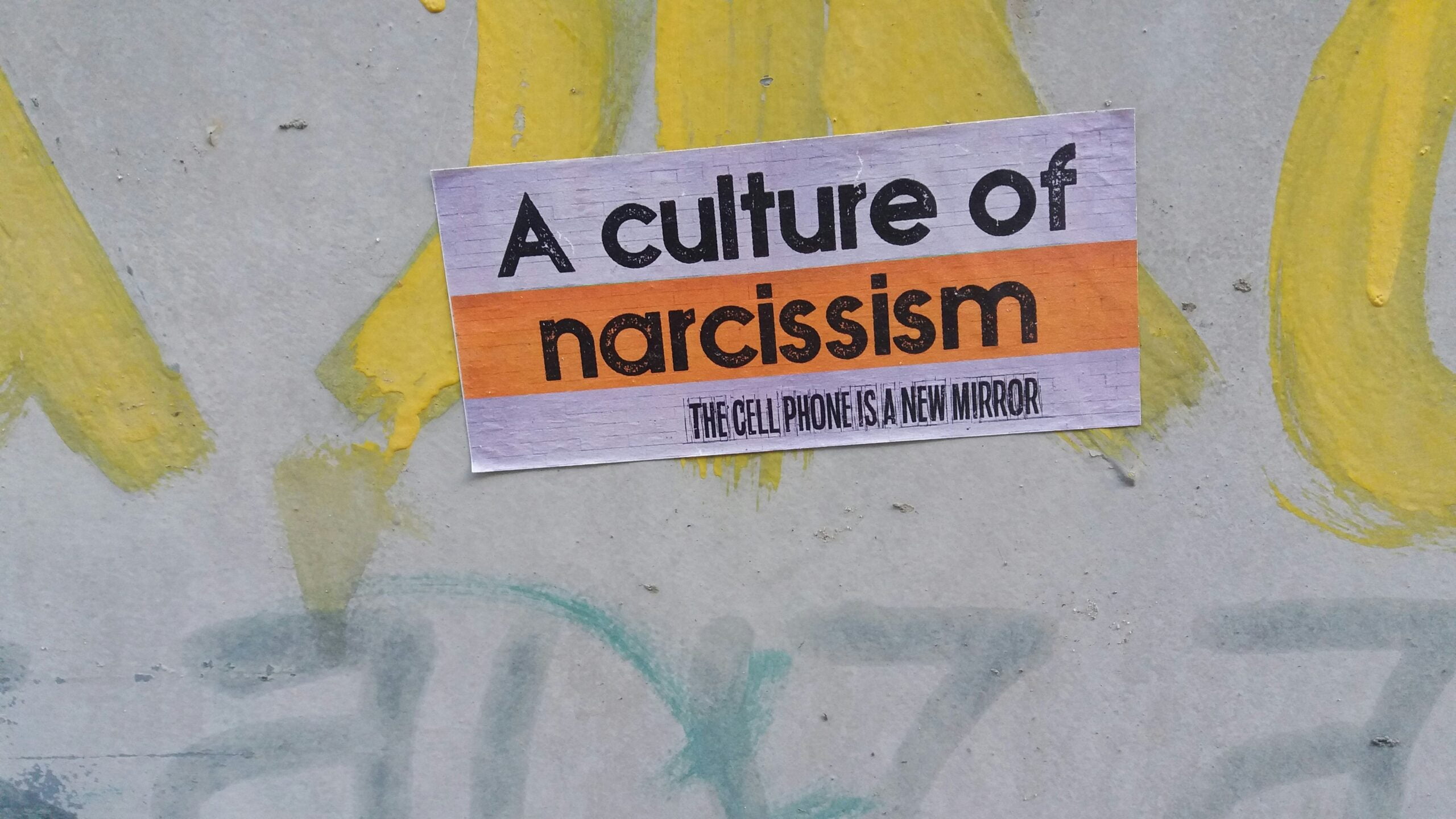
In today’s world, the term “narcissist” is often thrown around, sometimes too freely. But what happens when you find yourself in a relationship with someone who might truly be a narcissist? It can be deeply unsettling to realize that the person you thought you knew is far from the reality you’re experiencing. Instead of being uplifting and supportive, this relationship may become a source of frustration and sadness.
So, how can you tell if you’re really dealing with a narcissist? Here are some key signs to watch for:
1. Lack of Empathy
One of the most telling traits of a narcissist is a profound lack of empathy. Narcissists struggle to understand or care about the feelings of others. This inability to connect emotionally makes them appear distant, cold, and often manipulative in relationships. They focus on their own needs and are indifferent to the emotional well-being of those around them.
2. Arrogance and Superiority
Narcissists often exhibit an inflated sense of self-importance. They view themselves as superior to others and may act with arrogance, looking down on those they consider beneath them. This sense of superiority can be deeply damaging in relationships, leading to feelings of inadequacy and worthlessness in their partners.
3. Exploitation of Relationships
In their pursuit of personal gain, narcissists are quick to exploit those around them. They take advantage of others to achieve their own goals, often with little or no regard for the cost to those they are using. This exploitation can leave loved ones feeling drained, used, and unappreciated.
4. Craving for Admiration
Narcissists have an insatiable need for admiration. They crave constant praise, attention, and validation from others. This need drives them to seek out environments where they can be the center of attention. When they don’t receive the admiration they feel they deserve, they may become envious and belittling, using demeaning tactics to maintain their sense of superiority.
5. Sense of Entitlement
A narcissist’s sense of entitlement is pervasive. They expect special treatment and believe that others should cater to their needs and desires. This expectation is often coupled with a belief that they deserve more than anyone else, regardless of whether they have earned it.
6. Grandiosity
Narcissists often have an exaggerated sense of their own importance, talents, and achievements. They believe they are exceptional and expect recognition, even when their achievements are minimal or non-existent. This grandiosity leads them to demand admiration and attention, often at the expense of those around them.
Recognizing Narcissistic Personality Disorder (NPD)
While many people may occasionally exhibit narcissistic traits, Narcissistic Personality Disorder (NPD) is a clinically diagnosed mental health condition that can severely impact a person’s life and relationships. What makes NPD particularly challenging to address is that individuals with the disorder often do not recognize their behavior as problematic. If they seek help, it’s usually to address issues they perceive in others, not in themselves.
Narcissists can be charming and impressive, especially in the early stages of a relationship. However, if their needs for admiration and validation are not met, they can quickly become dismissive, controlling, and critical. This shift can leave their partners feeling confused and hurt.
Taking the First Step: Seeking Help
The first step in dealing with a narcissistic relationship is recognizing the traits in yourself or others. If you identify these patterns, seeking professional help is crucial. Therapies such as Cognitive Behavioral Therapy (CBT) can be effective in helping individuals develop healthier relationship dynamics. With the right support, it’s possible to foster relationships built on mutual respect, equality, and genuine care.
If you or someone you love is struggling with the impact of narcissism, remember that help is available. Prioritizing mental health and seeking therapy can lead to healthier, more supportive relationships where everyone involved feels valued and respected.